
Precedent Setters – Otro Capital Invests in University of Utah Athletics
By Noah Massey | 20 January, 2026
What Happened?
With newfound, out-of-control costs and massive deficits, some collegiate athletic departments have begun to explore new pathways to adapt to the new realities of remaining competitive in the modern era of Division I athletics.
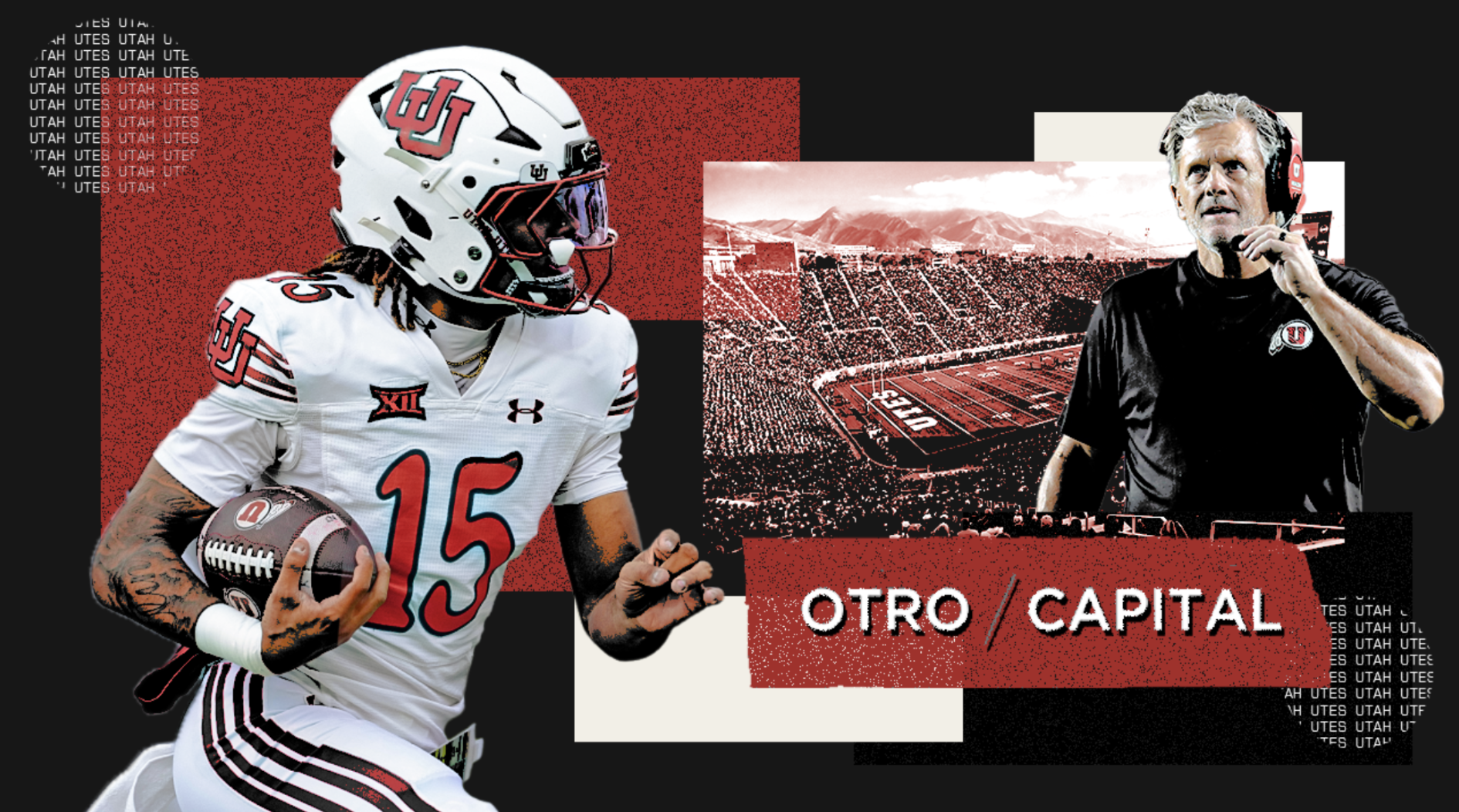
The University of Utah is turning to an unprecedented source for a cash influx: Otro Capital, a private equity firm.
The publicly-funded university has set up a new for-profit company, Utah Brand Initiatives LLC, in partnership with Otro in exchange for more than $400 million in investment to help the university cover its athletics department’s growing budget deficit. According to a press release from the university, the deficit stems from the financial headwinds brought on by recent changes in collegiate sports that helped put the university into a $17 million deficit in 2024, including conference realignment, differences in media revenue between programs, unlimited transfers for players, and the NCAA House Settlement that put the university on the hook for $20.5 million per year in revenue sharing, which will only increase over time.
The situation at Utah isn’t unique among major Division I programs. Even industry leaders like Ohio State and Alabama are running tremendous deficits, with the Buckeyes and Crimson Tide posting deficits of $37.7 million and $28 million in 2024.
While Otro’s influence will be limited to “managing stadiums and arenas, branding, licensing and sponsorships, ticketing, and scheduling” for the university, they will be fueled by a motive previously unseen in college sports: to turn a profit. While the influx of cash will provide needed financial support for the athletic department, the impact of this development is the precedent it sets. While NIL and the transfer portal finished the idea of college sports as an organization of amateur athletes, at least for football and men’s basketball, a turn towards private equity and a desire for profit would be a further shift towards the complete professionalization of collegiate sports, which could have a devastating impact in the long run.
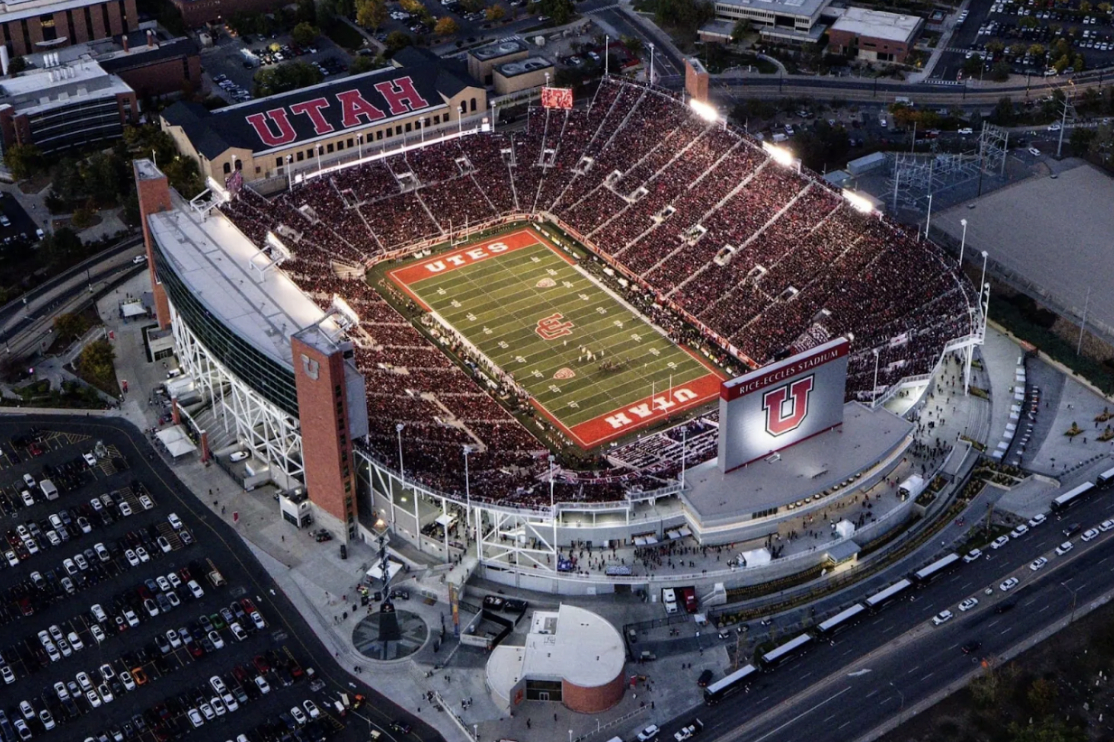
Rice-Eccles Stadium. (University of Utah)
What Could Go Wrong?
What makes collegiate athletics special when compared to professional sports? Often, what makes it unique is the special bond between a program and its fans – whether those fans are alumni or career fans – that has been shaped by the unique amateurish culture developed over the years. From marching bands to student sections to long-time traditions, there are a variety of differences that give collegiate sports a unique charm despite their inferiority to professional squads.
Regardless of everything written online about gigantic media deals and conference realignment, donations continue to be an important revenue source for athletic departments – in the case of Utah, the largest revenue stream during the 2023-2024 school year. This revenue stream has become even more vital with the growing importance of donations to fuel NIL, one of the main ways high-revenue teams recruit/retain talent. This revenue stream doesn’t exist in professional sports, where teams are businesses and are acknowledged by fans as such.

Utah’s 2023-2024 Revenue/Expense Chart. Among all categories, donations were the largest source of revenue for the Utes. (Sportico)
If the involvement of private equity in decision-making is unchecked, it could have a major impact upon the culture that makes collegiate athletics so unique. If companies are trying to find ways to cut costs, could some of the superficial aspects of collegiate athletics be sacrificed for their bottom line? There are undoubtedly numerous ways that money could be saved, as shown by the contract buyouts for some former collegiate coaches. The question is whether cutting could reduce the collegiate spirit that drives fan passion and donations when programs look more like professional organizations rather than amateur ones.
Frustrations with the professionalization of collegiate athletics have already become evident due to reactions to the transfer portal and NIL, where players have begun earning millions of dollars to play their respective sports. The lack of player loyalty and constant reshuffling of teams has disillusioned fans and donors alike, as shown by former NFL quarterback and UCLA alumni Troy Aikman’s comments about his experience with NIL.
“I gave money to a kid, I won't mention who,” Aikman said. “I've done it one time at UCLA, never met the young man. He was there a year, he left after the year. I wrote a sizable check, and he went to another school. I didn't even get so much as a thank you note.”
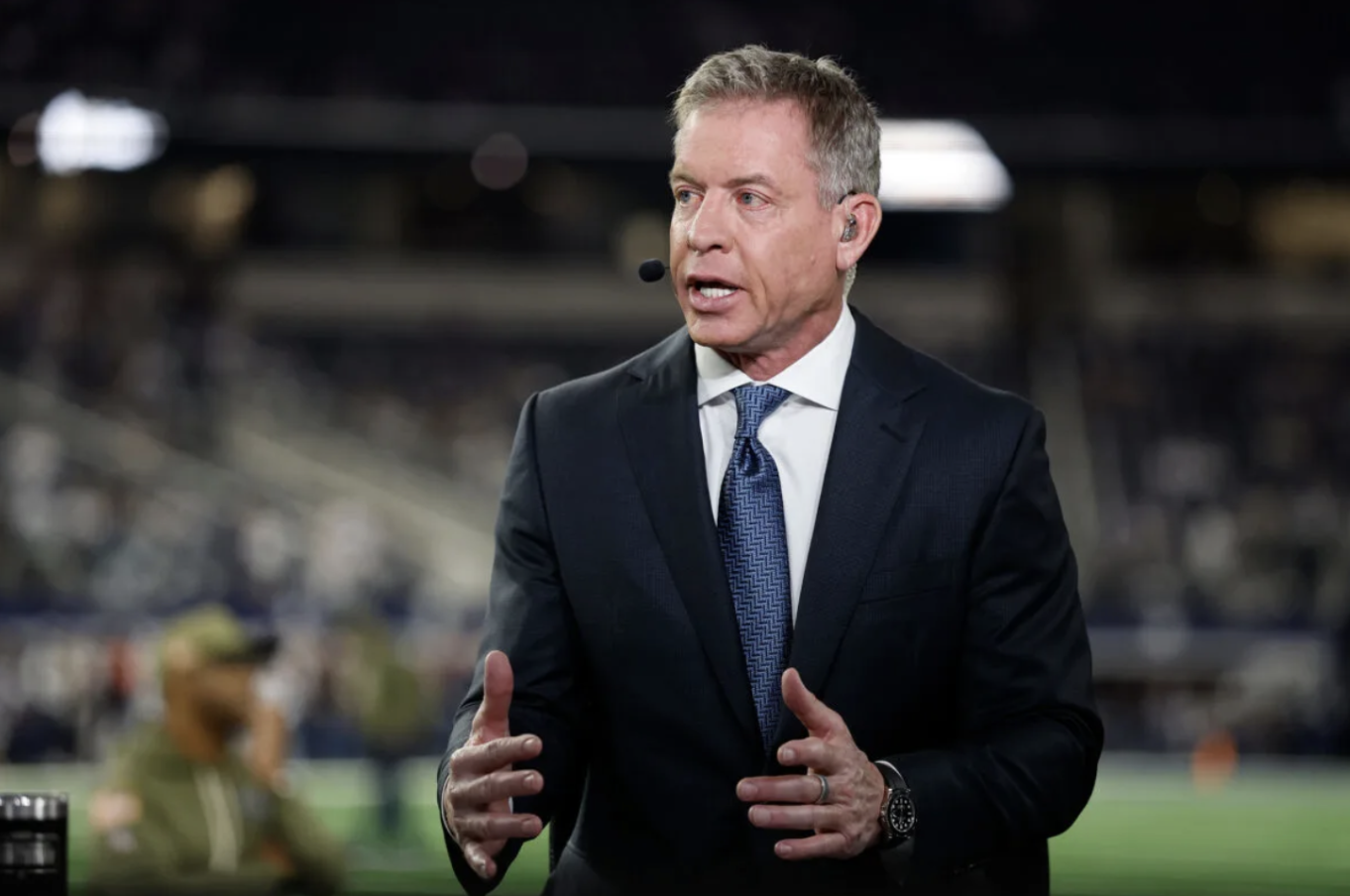
Former UCLA quarterback and current ESPN Analyst Troy Aikman. (Yahoo Sports)
If concerns with professionalization are already springing up regarding NIL, where every dollar is guaranteed to go to a player on one’s preferred team, how much of an effect might it have if the sports are run by a for-profit organization? Even if Otro’s involvement is limited, their management of ticketing and stadiums could create long-term problems in exchange for short-term gains – such as higher prices, limiting student tickets, or limiting donor benefits – that would benefit their bottom line while negatively impacting the fanbase that is so crucial for the success of the program going into the future.
While Otro’s role at the University of Utah is constrained by the terms of their deal – a minority stake in a company that is limited in what it manages and has to report to the university’s board of trustees – it is difficult to quantify both the effect this will have upon the fans and whether Utah just opened the gates to even more private investment into collegiate athletics. As mentioned, the Utes aren’t the only university athletics program in need of cash infusions. There is also no doubt that the profit upside of collegiate athletics – with its passionate fanbases and untested ability to make a company money – will intrigue other firms to also test the waters of collegiate athletics and possibly take on more involved roles than Otro has.
